


People hear “financial domination” and immediately picture some predatory scammer draining a victim’s bank account. That’s the myth. The reality is far more layered, psychologically rich, and honestly, way more interesting. Findom is a consensual kink rooted in power exchange, where money becomes the medium through which control, submission, and desire flow. It’s not about theft. It’s not abuse dressed up in leather. When it’s done right, it’s one of the most psychologically intense dynamics in the entire BDSM spectrum, and it deserves a real conversation.
Table of Contents
- What is findom? Unpacking the core dynamic
- Who gets involved in findom—and why?
- Safety, consent, and red flags in findom relationships
- How to get started with findom—responsibly
- What most guides miss: The real risks and rewards of findom
- Explore findom safely with a trusted community
- Frequently asked questions
Key Takeaways
What is findom? Unpacking the core dynamic
Financial domination, or findom, is a form of consensual power exchange where one person, the dominant (dom or domme), exercises control over another person’s finances, the submissive (sub or pay pig, as some call themselves). Money is the tool. Power is the point. The sub derives genuine pleasure, relief, or arousal from surrendering financial control, while the dom gets off on the authority, the worship, and yes, the cash.
The roles break down clearly. Dom(me)s are the ones in control. They set the rules, issue commands, and receive tributes. Subs are the ones who comply, sometimes eagerly, sometimes reluctantly as part of the roleplay, but always within negotiated limits. Some subs identify as “money slaves” or “human ATMs,” terms that might sound degrading outside the context but carry real meaning and even pride within the community.
Here’s a breakdown of the most common mechanics in a findom dynamic:
Core mechanics include tributes, wishlists, bill payments, spending rules, enforced poverty, ignore and degradation sessions, blackmail fantasy, and chastity control combined with payments. That’s a wide spectrum, and not every dynamic includes all of them. Most start simple and evolve.
“Findom isn’t about the money itself. It’s about what the money represents: trust, surrender, and the intoxicating weight of being truly owned.”
Pro Tip: Before any tribute changes hands, have an explicit conversation about limits, caps, and what’s off the table entirely. This isn’t a buzzkill. It’s what separates a hot dynamic from a disaster.
If you’re curious about exploring financial domination online, understanding these mechanics first gives you a serious head start.
Who gets involved in findom—and why?
With the basics established, it’s important to understand who gets drawn to these dynamics and what drives them.
The honest answer? All kinds of people. But there are patterns worth knowing. Broader BDSM research shows that 40 to 70% of adults have had BDSM-related fantasies, 20 to 47% have tried some form of BDSM activity, and 2 to 12% are regular practitioners, which translates to somewhere between 52 and 135 million people globally. Findom sits within that world, and while no specific empirical data exists for findom alone, the psychological profiles of participants are well documented.

Subs in findom dynamics often score higher in agreeableness, sensation-seeking, and sometimes depression or hypersexuality. That doesn’t mean they’re broken. It means they’re wired to find relief in surrender. For a lot of high-powered professionals, executives, lawyers, surgeons, the appeal is exactly that. All day, they carry the weight of decisions. Findom lets them put that weight down. The dom picks it up. It’s a release valve, and a deeply satisfying one.
Dom(me)s, on the other hand, tend to be drawn to the authority, the psychological game, and the validation that comes from being genuinely worshipped. It’s not passive income. It’s active domination. The best dom(me)s are skilled at reading their subs, escalating tension, and maintaining the kind of commanding presence that keeps subs coming back.
Common qualities you’ll find in findom participants:
Dom(me)s tend to:
- Project confidence and authority naturally
- Understand psychological triggers and use them skillfully
- Set and enforce clear rules without wavering
- Know how to reward compliance and punish (within agreed terms) resistance
Subs tend to:
- Find genuine pleasure in financial surrender
- Crave structure and external control over at least one area of their life
- Experience arousal or relief from the act of paying or being denied
- Value the ritual and symbolism of tribute as much as the act itself
Pro Tip: Before you jump into any dynamic, sit with yourself and ask honestly: am I drawn to this because it excites me, or because I’m trying to fill an emotional hole? Both are human. But only one is a healthy starting point for kink.
Safety, consent, and red flags in findom relationships
After understanding your motivations, prioritizing personal safety and drawing boundaries is essential in any findom scene.
Findom without consent isn’t findom. It’s fraud. Or abuse. The line matters enormously, and it’s not always obvious from the outside. That’s why safety frameworks exist. RACK (Risk-Aware Consensual Kink) and SSC (Safe, Sane, and Consensual) are the two most widely used in the BDSM community, and they apply directly to findom.
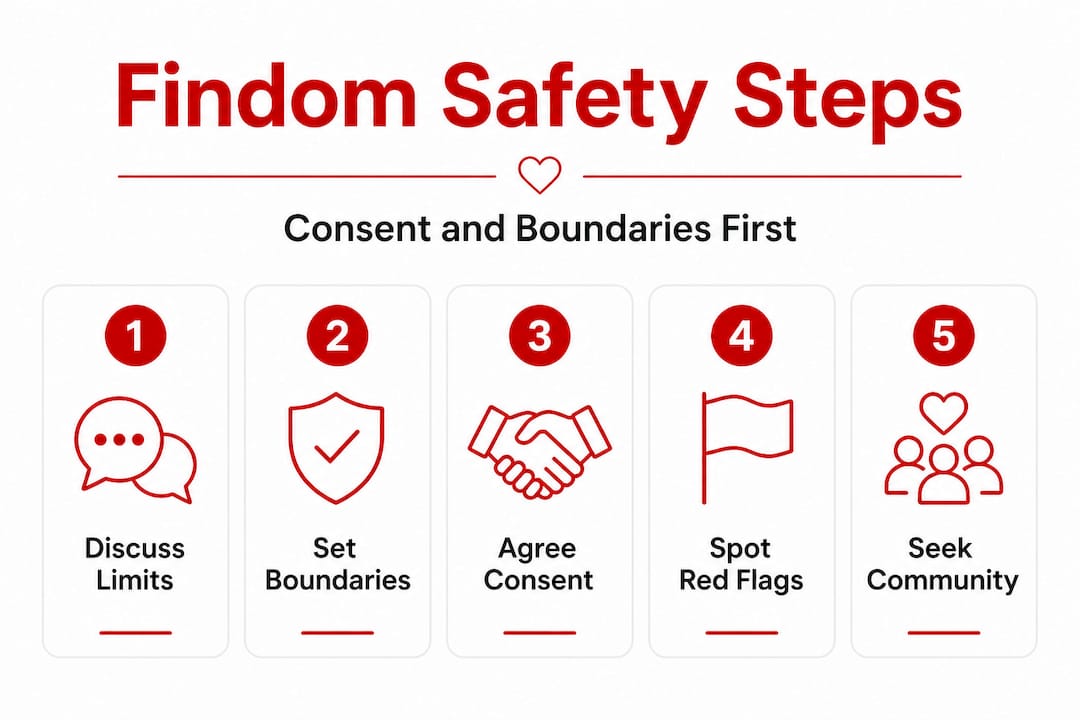
Structured boundaries, including daily or weekly spending caps, safe words, and separate financial accounts, are the practical tools that keep findom consensual and fun rather than catastrophic. Online platforms like Twitter/X, OnlyFans, and FetLife are where most findom relationships begin, and they offer some natural filtering mechanisms, like initial tribute requirements that weed out time-wasters.
Five safety essentials every findom participant needs:
- Negotiate limits before any money moves. Set a hard cap on how much can be requested or sent in any given period. Write it down.
- Use a separate account or payment method. Never give a dom access to your primary bank account. Full stop.
- Establish a safe word or exit signal. This applies even in financial dynamics. “Red” means stop. Honor it.
- Check in regularly. The dynamic should be revisited, not just assumed to be fine because no one complained.
- Document your agreements. A simple written record of what’s been negotiated protects both parties.
Here’s where it gets real. Non-consensual financial draining that mimics findom does happen. Real cases exist. The difference between consensual findom and financial abuse often comes down to explicit, documented consent.
“The moment someone ignores your safe word or pushes past an agreed financial limit, it stops being kink. Name it for what it is.”
Finding safe kink communities where experienced members can offer guidance is one of the smartest moves a newcomer can make. Peer knowledge is invaluable.
How to get started with findom—responsibly
Once you understand what to look out for, it’s time to translate knowledge into practice and set up your first experience.
Starting smart means starting slow. The biggest mistake newcomers make is jumping straight into real financial exchange before they’ve tested the dynamic, the person, or their own reactions. Here’s a step-by-step process that actually works:
- Clarify your role. Are you drawn to domming or subbing? Both? Spend time reading community discussions before deciding.
- Join a platform and observe. FetLife, Twitter/X, and OnlyFans all have active findom communities. Lurk before you leap.
- Engage in conversation first. Talk to potential partners before any money is mentioned. A dom who skips straight to payment demands is a red flag.
- Start with virtual or symbolic roleplay. Practice the dynamic without real financial stakes. This tells you a lot about chemistry and compatibility.
- Negotiate your first real tribute. Keep it small. Set a cap. Agree on the terms in writing or at minimum in a saved message thread.
- Debrief after the session. How did it feel? What worked? What didn’t? Aftercare matters in findom too.
Platforms worth exploring as a newcomer:
- FetLife: The closest thing to a social network for the kink community; great for finding vetted partners and reading community discussions
- Twitter/X: Active findom scene with a lot of public dom(me)s; useful for understanding the culture before engaging
- OnlyFans: Subscription-based content from dom(me)s; lower risk starting point since you’re paying for content, not entering a direct dynamic
- Kinky Korner: A marketplace specifically built for adult services and kink content, with a community focus on responsible exploration
Safety first means using RACK or SSC frameworks, negotiating limits before any tribute, monitoring for red flags like pressure or ignored safe words, and treating findom spending as a budgeted discretionary expense, not an open-ended drain on your finances.
Pro Tip: Start with virtual roleplay before real money enters the picture. A dom who respects this boundary is someone worth trusting. One who pushes back immediately is someone worth avoiding.
When you’re ready to find responsible partners, look for people with established reputations, community references, and clear communication about their dynamic style.
What most guides miss: The real risks and rewards of findom
We’ve covered the practical steps. Now let’s pull back and look at the realities that set sustainable findom apart from its myths and media portrayals.
Most introductory guides treat findom like a transaction. Pay this, receive that, follow these rules. What they miss is the emotional architecture underneath. The psychological profile of findom subs often includes successful individuals seeking relief from the burden of constant control, and while many report genuinely positive mental health outcomes from structured, boundary-based BDSM, the dynamic can evolve from fantasy into something problematic if left unchecked.
Here’s the uncomfortable truth: the line between pleasure and compulsion is thinner than most people want to admit. I’ve seen it happen. Someone starts with a $50 tribute, feels that rush, and six months later they’re sending $2,000 a month and hiding it from their partner. That’s not kink anymore. That’s a problem that needs a therapist, not a dom.
Emotional aftercare is almost never discussed in findom spaces, and it should be. After an intense session, subs can experience “sub drop,” a crash of emotions once the adrenaline fades. Dom(me)s can experience something similar. Both need acknowledgment and care. The best findom relationships I’ve observed treat aftercare as non-negotiable, not optional.
Ongoing renegotiation is the other thing guides skip. A dynamic that worked six months ago might not fit your life today. Financial situations change. Emotional needs shift. A dom who refuses to revisit agreed terms when a sub’s circumstances change isn’t maintaining a kink. They’re exploiting someone. Real findom is a living agreement, not a one-time contract.
The long-term relationships in findom, the ones that last and stay healthy, are built on trust that runs deeper than the tribute. They’re built on honest communication, genuine care, and the willingness to say “this isn’t working anymore” without the whole thing collapsing. Novelty is seductive. Trust is what actually sustains.
Explore findom safely with a trusted community
As you consider starting or deepening your findom journey, community resources become your best source of practical advice and safety.
Findom done right is genuinely one of the most psychologically satisfying kinks out there. But you need the right space to explore it, one where the community actually gives a damn about consent, safety, and real connection. That’s exactly what we’ve built.
At Kinky Korner, you’ll find a marketplace of vetted adult service providers, a library of erotic literary and artistic content, and a community of people who take responsible kink seriously. Whether you’re a curious newcomer trying to figure out if findom is for you, or an experienced dom(me) looking to connect with serious subs, this is the space where those conversations happen with honesty and without judgment. Come explore, connect, and build something real.
Frequently asked questions
Is findom legal?
Findom is legal when practiced between consenting adults without coercion or blackmail, but legality can vary by local laws and jurisdiction, so it’s worth understanding the rules in your area.
How can I tell if a findom relationship is becoming abusive?
Warning signs include ignored limits, pressure to share personal information beyond what was agreed, and financial demands that push past established boundaries. Non-consensual financial draining that mimics findom is a documented pattern, and explicit consent is what separates the two.
Do I need a contract for findom?
Written contracts aren’t legally required, but documenting your limits through structured boundaries, including daily or weekly caps, safe words, and separate accounts, is strongly recommended to protect both parties.
What platforms are popular for starting with findom?
Common platforms include Twitter/X, OnlyFans, and FetLife, all of which have active findom communities and offer relatively accessible entry points for networking and negotiating dynamics.